We were totally surprised by the fact that nearly 80% of practitioners are satisfied with the software they use in their work.
In general, SaaS (the idea that software is a subscription delivered in real time) makes functionality differences between vendors something of a moot point. With switching abilities well facilitated, customers can get a clear picture of what works and what doesn’t in real time. It is our view that the difference between vendors has more to do with service ethics and the overall relationship.
That’s why we did our first formal research on the topic of “The Ideal Vendor Relationship“. Very recently, we released our first 60 plus page report on the topic of standard practices in Vendor relationships.
We discovered some amazing things. (For details, listen to HR Examiner Radio Show Episode 86).
We were totally surprised by the fact that nearly 80% of practitioners are satisfied with the software they use in their work. Only 20 ish percent think that even some of their tools are crummy. Even more, we discovered that practitioners like their relationships with HRTech vendors. Chart from KeyInterval Research Report: Ideal Vendor Relationship v1.0 © 2015 KeyInterval Research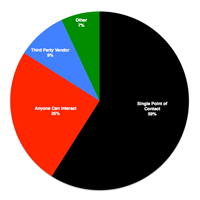
When John Zappe from ERE read the report, he noted a series of myth busting discoveries like those two.
There are a range of possible ways to conduct a relationship with a vendor. How you decide to go forward is a decision rooted in complexity and criticality. It’s possible to have a very excellent and effective relationship with a tech vendor that is essentially passive. The report offers case studies at the opposite end of the spectrum: the vendor and practitioner blur the lines and optimize the software development process.
We even included a case study in which someone screwed it up.
The report offers a different point of view designed to make practitioners more effective by illuminating what’s possible. It’s a whole new approach to industry analysis focused on the needs of practitioners.